
Understanding YU Sleep ingredients before you buy is one of the most useful things you can do, rather than relying on marketing copy alone. YU Sleep’s ingredient panel is more transparent than most, listing exact amounts for its core vitamins and a clearly labeled proprietary blend for the rest. This article breaks down each ingredient, what the research actually says about it, Which matters given the well documented connection between sleep quality and weight management.
Click here to check YU Sleep pricing and availability
Melatonin
Melatonin is the hormone your body naturally produces in response to darkness, signaling that it’s time to sleep. YU Sleep includes 0.9mg per serving, which is a notably modest dose compared to many over the counter melatonin products that use 5mg or even 10mg.
This is worth understanding rather than dismissing as a weakness. Research on melatonin dosing has increasingly pointed toward lower doses being just as effective, if not more effective, than high doses for supporting natural sleep onset, since melatonin works as a signal rather than a sedative. Excessively high doses can actually disrupt the body’s own melatonin production over time. A 0.9mg dose sits closer to what the body naturally produces on its own, which fits a formula built around supporting natural processes rather than overriding them.
Magnesium Glycinate
Magnesium is part of the proprietary blend here, specifically in its glycinate form, which is generally considered one of the more bioavailable and gentle forms of magnesium for sleep purposes.
Magnesium plays a role as a precursor to melatonin production itself, and separately helps relax muscles and regulate the nervous system’s stress response. Lower magnesium levels have been associated with poorer sleep quality in multiple studies, and glycinate specifically is less likely to cause digestive discomfort than some other magnesium forms, which matters if you’re taking it right before bed.
L-Theanine
L-theanine is an amino acid most commonly associated with green tea, and it shows up here for a different reason than it did in a stimulant context. Rather than pairing with caffeine for calm energy, in a nighttime formula it’s included for its ability to promote relaxation and reduce mental chatter without directly sedating you, which supports an easier transition into sleep rather than forcing it.
GABA
GABA is the primary inhibitory neurotransmitter in the brain, meaning its job is essentially to calm neural activity down. Low GABA activity is associated with anxiety and difficulty winding down mentally at night. Supplemental GABA is included in formulas like this to support that calming process, working alongside L-theanine toward the same general goal of quieting the mind before sleep.
5-HTP
5-HTP is a precursor to serotonin, which itself is a precursor to melatonin. In simple terms, this means 5-HTP sits earlier in the biochemical chain that eventually produces your body’s own sleep hormone, rather than delivering melatonin directly the way the melatonin ingredient does. Including both gives the formula two different points of support along that same pathway.
Apigenin
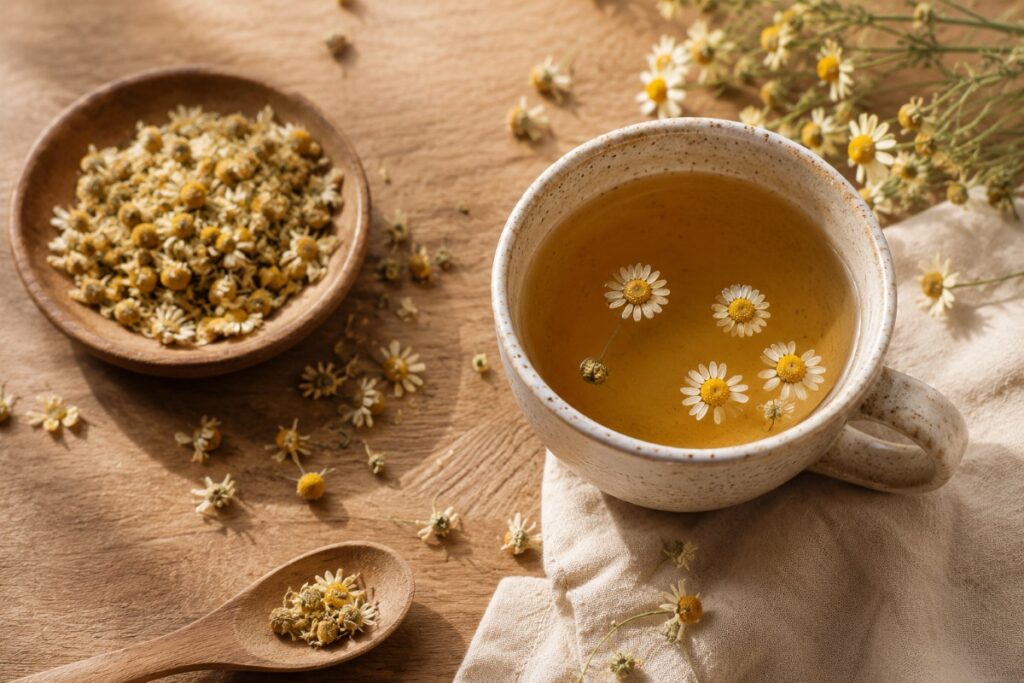
Apigenin is a compound found naturally in chamomile, which has long been used traditionally as a calming, sleep-supportive herb. Apigenin is specifically the compound researchers believe is responsible for chamomile’s relaxing effects, working on certain receptors in the brain associated with reducing anxiety and promoting sleepiness.
Lemon Balm Extract
Lemon balm is another herb with a long history of traditional use for calming the nervous system and reducing mild anxiety, often used alongside other calming herbs like chamomile or valerian in sleep-focused formulas. It’s generally considered mild and well tolerated.
Red Tart Cherry Juice Concentrate
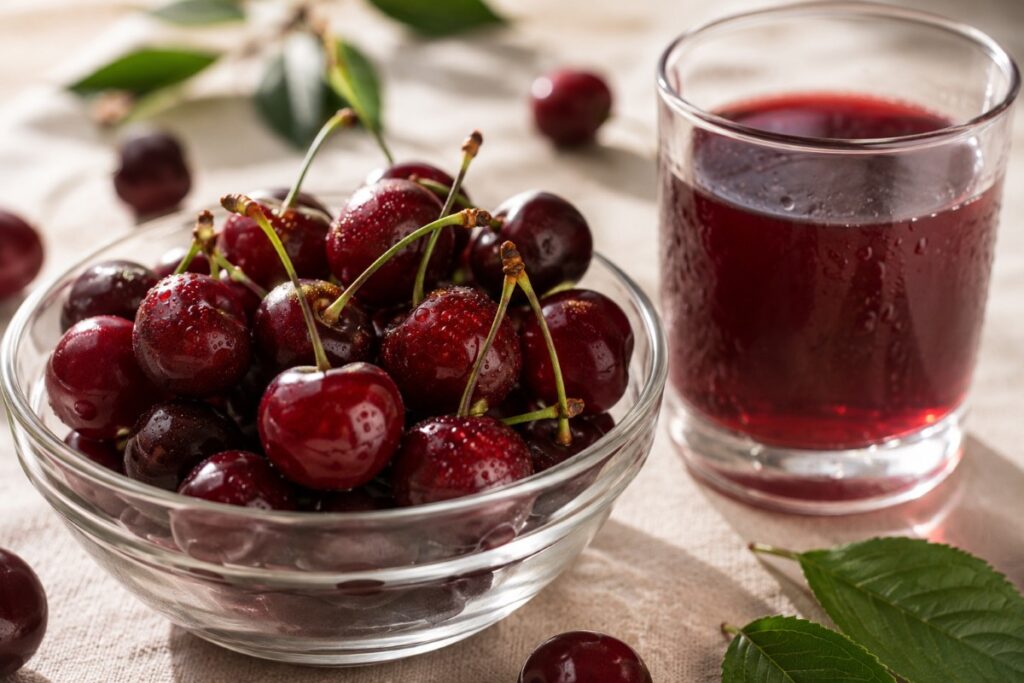
Tart cherry is one of the few natural food sources that contains measurable amounts of melatonin itself, and some research has specifically looked at tart cherry juice as a natural way to support sleep duration and quality, making it a reasonable complementary ingredient in a formula already built around melatonin support.
Vitamin B6 and B2
Both B vitamins play supporting roles in the body’s broader neurotransmitter production processes, including pathways connected to serotonin and melatonin synthesis. They’re included here in modest, standard doses rather than as standalone sleep ingredients, functioning more as nutritional support for the pathways the other ingredients are working through.

How The YU Sleep Ingredients Work Together
Looking at the full list, a pattern becomes clear. Rather than relying on one strong sedative compound, YU Sleep combines several ingredients that support different points along the body’s natural sleep-regulation pathway: melatonin directly, 5-HTP and tart cherry supporting melatonin production, magnesium and B vitamins supporting the underlying nervous system function, and GABA, L-theanine, apigenin, and lemon balm all working toward calming mental and physical activity before sleep.
This layered approach is consistent with what we discussed in our YU Sleep review regarding natural sleep support versus sedative sleep aids. Rather than one ingredient forcing sleep, multiple ingredients are working together to support the conditions your body needs to fall asleep naturally.
Check current YU Sleep pricing here

We research health supplements and morning routine strategies to help you make informed decisions. Every review on this site is based on thorough ingredient research and genuine customer feedback. No hype. Just honest information.